F-35A vs KAAN vs KF-21 vs J-35A: Which Fighter Best Fits Bangladesh?
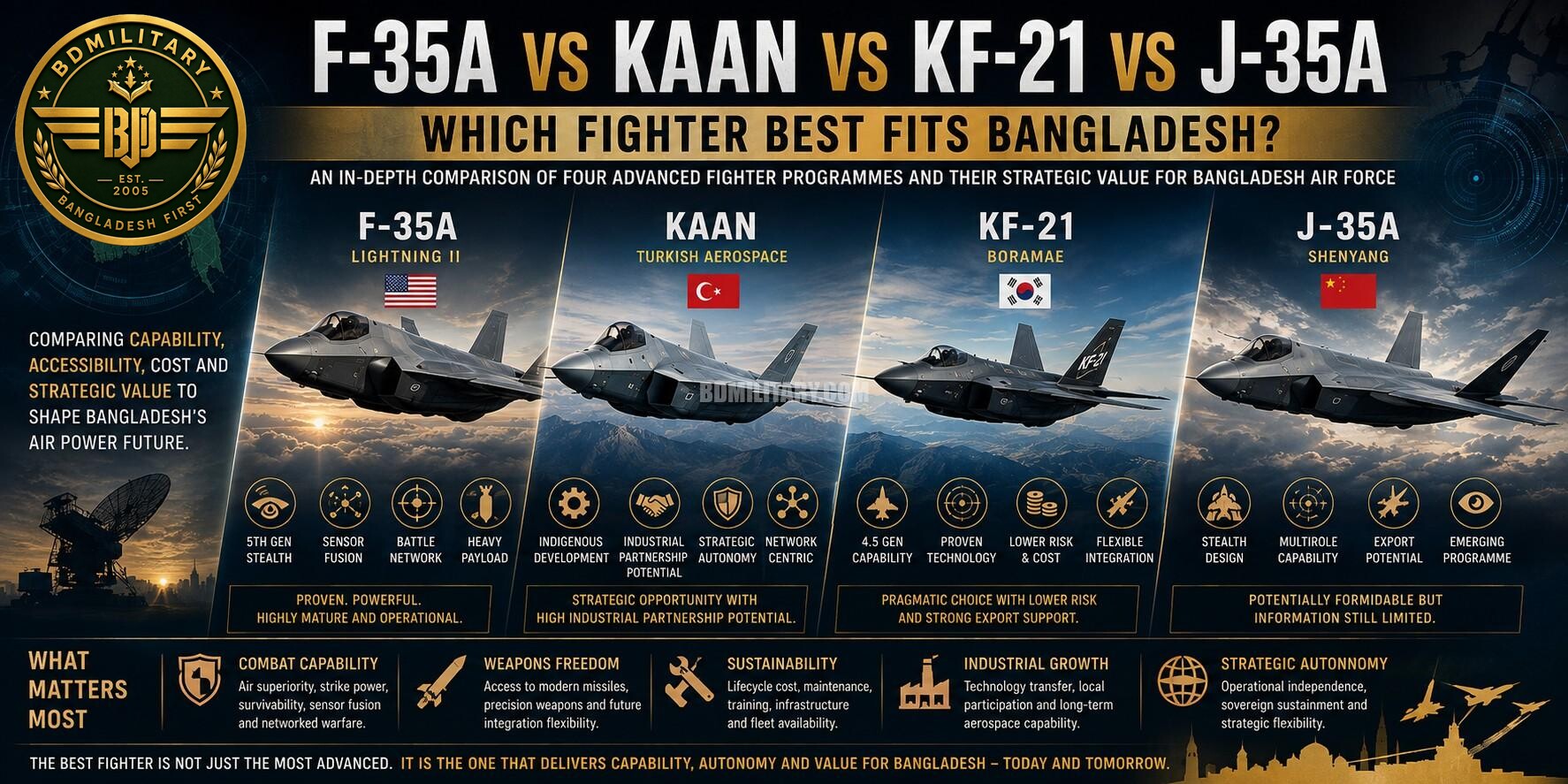
Reading Time: 7 minutesBangladesh’s next major fighter acquisition could shape the Bangladesh Air Force (BAF) for the next three to four decades. The decision will extend far beyond aircraft performance: it will determine weapons access, training and sustainment arrangements, operational sovereignty, industrial partnerships and potentially the direction of Bangladesh’s aerospace sector. Four aircraft Continue Reading
Bangladesh Air Force’s Historic Reset: J-10CE Fighters, Indigenous UAV Production and the Road to a Fifth-Generation Future
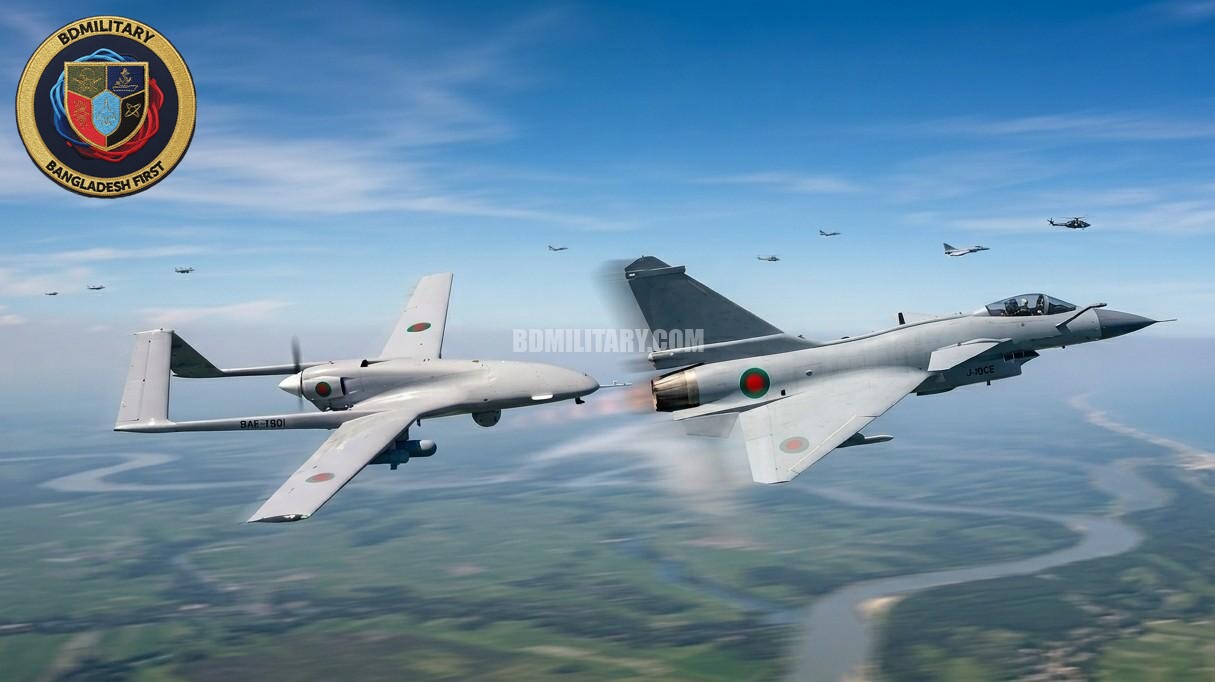
Reading Time: 7 minutesFrom the acquisition of 24 J-10CE fighters and the establishment of a UAV manufacturing facility in Bogra to future plans for MRSAM systems and fifth-generation aircraft, the Bangladesh Air Force appears poised for its most ambitious transformation since independence. “The J-10CE is not merely replacing an aircraft fleet; it is Continue Reading
Bangladesh Moves to Upgrade Eight STOL Ports into Domestic Airports
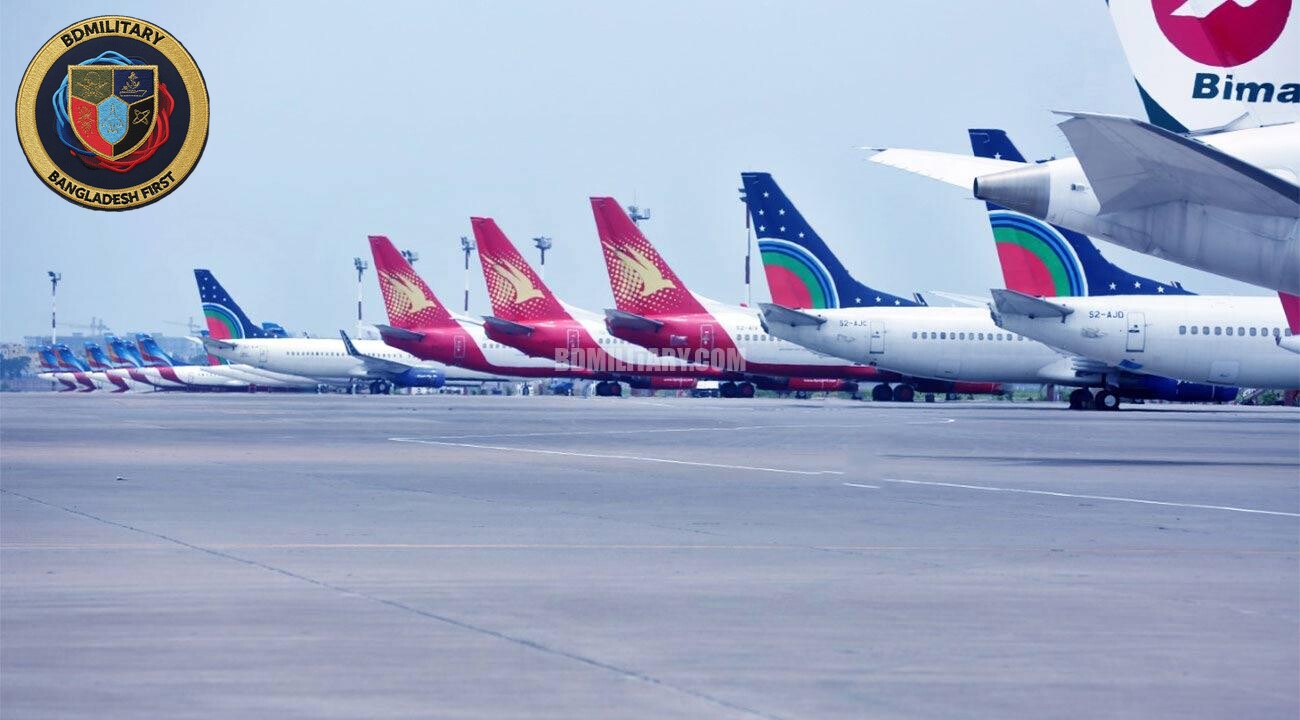
Reading Time: 4 minutesStrengthening National Connectivity and Strategic Resilience The Government of Bangladesh has unveiled plans to upgrade eight existing Short Take-Off and Landing (STOL) ports into full-fledged domestic airports, a move that could significantly enhance the country’s transportation network while simultaneously strengthening its strategic and defence infrastructure. Speaking in Parliament, Civil Aviation Continue Reading
Bangladesh Unveils Increased Defence Budget as Military Modernisation Accelerates
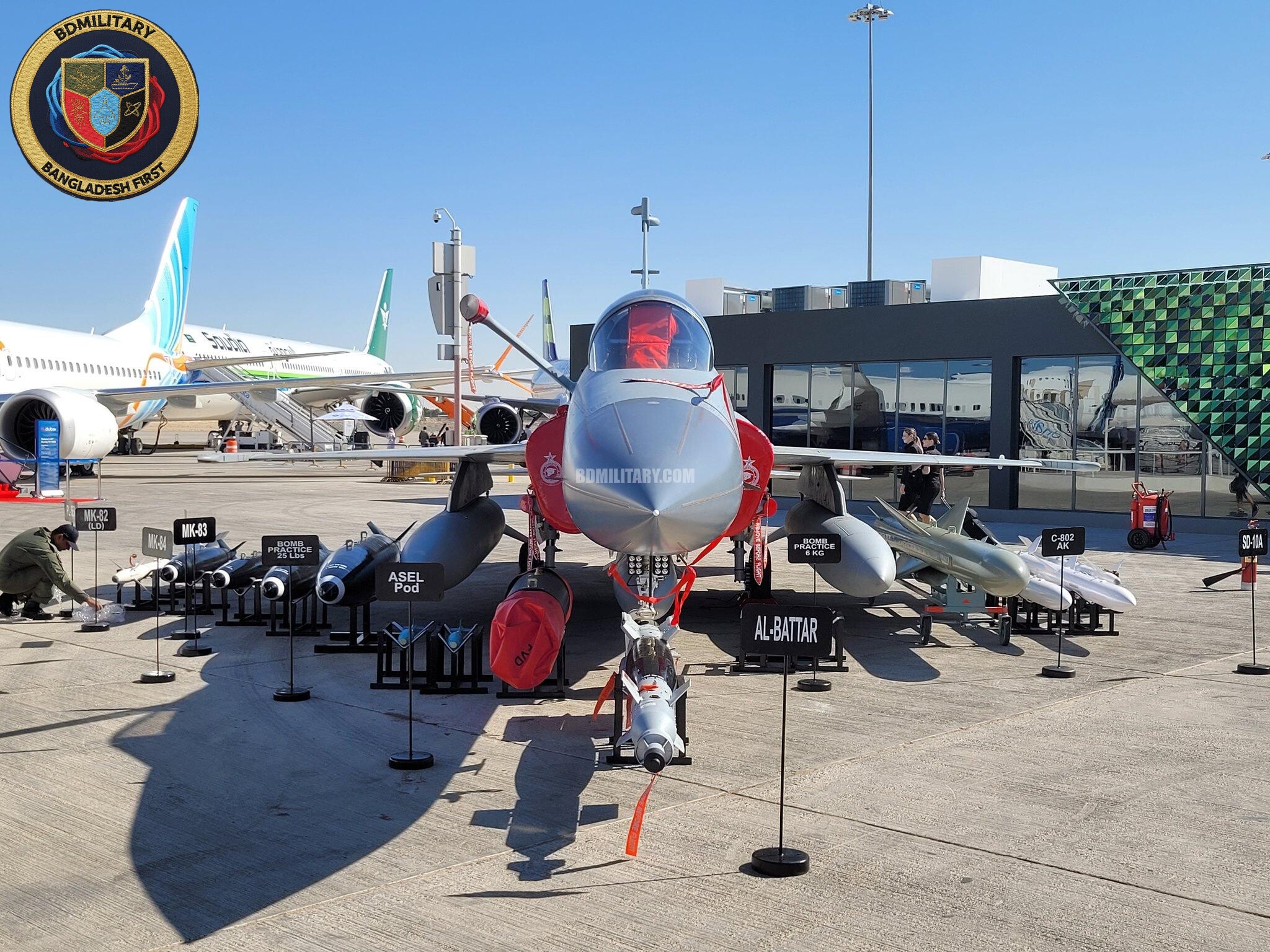
Reading Time: 5 minutesBangladesh has proposed a significant increase in defence and security spending for the 2026–27 fiscal year, reflecting the government’s commitment to strengthening military capabilities, enhancing border security and advancing long-term modernisation plans amid evolving regional and global security challenges. Finance Minister Amir Khosru Mahmud Chowdhury announced a proposed allocation of Continue Reading
Airbus Revises Biman Campaign with A350-900 and A321neo Offer
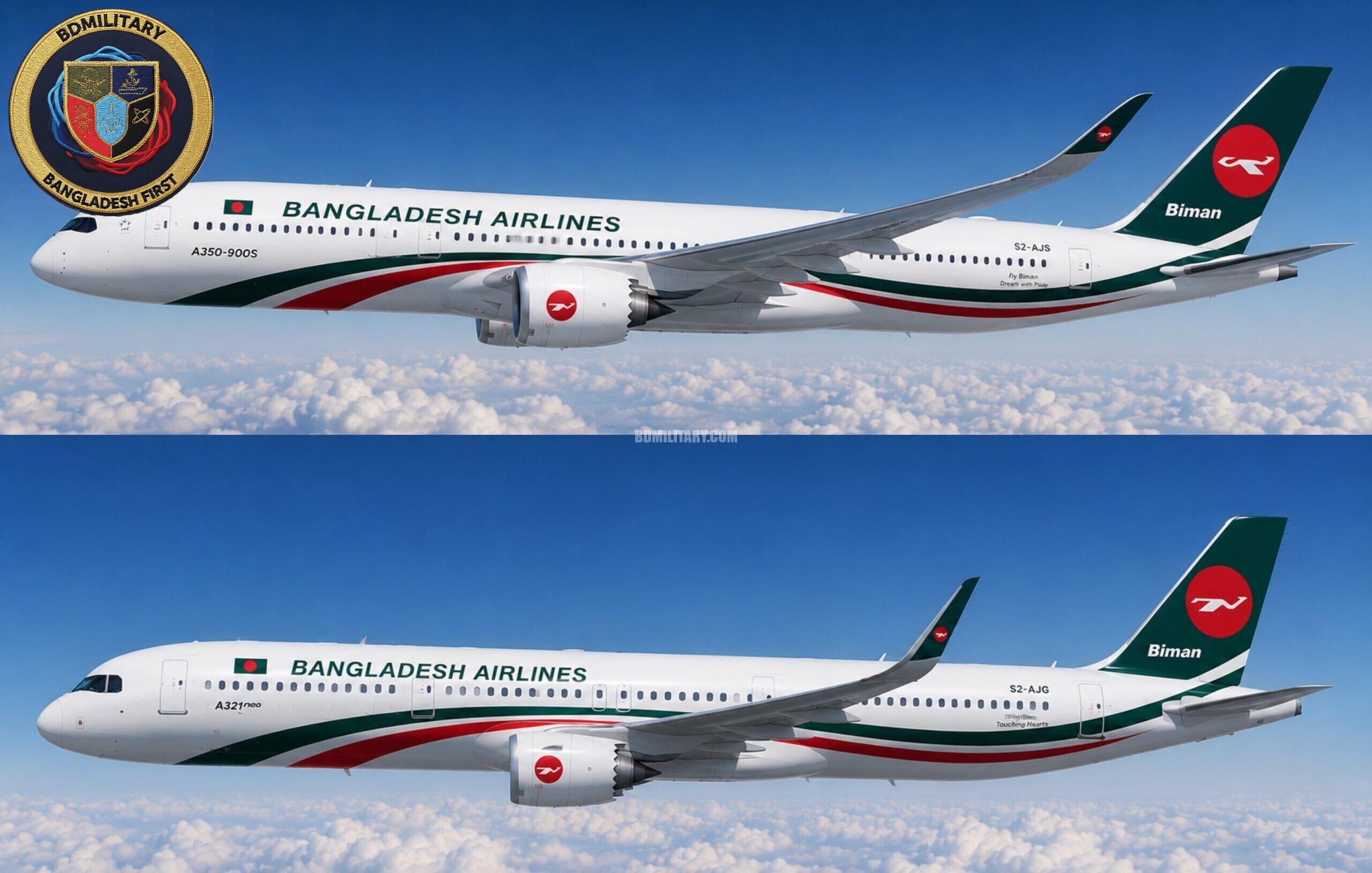
Reading Time: 2 minutesEuropean airframer Airbus has revised its fleet campaign for Biman Bangladesh Airlines, reducing an earlier 14-aircraft proposal to a package of 10 aircraft following the carrier’s recent order with rival manufacturer Boeing. Industry and airline sources said Airbus recently submitted an updated proposal to Biman’s techno-finance committee covering four A350-900S Continue Reading