
Bangladesh Issues Travel Warning On India

Reading Time: 3 minutesBangladesh has imposed stringent health screening measures at its western land ports and issued a formal advisory against non-essential travel to India, as authorities scramble to prevent the spread of a new and highly transmissible COVID-19 subvariant, NB.1.8.1, which is surging in neighbouring regions. The decision, announced by the Ministry Continue Reading
India’s Fractured Image
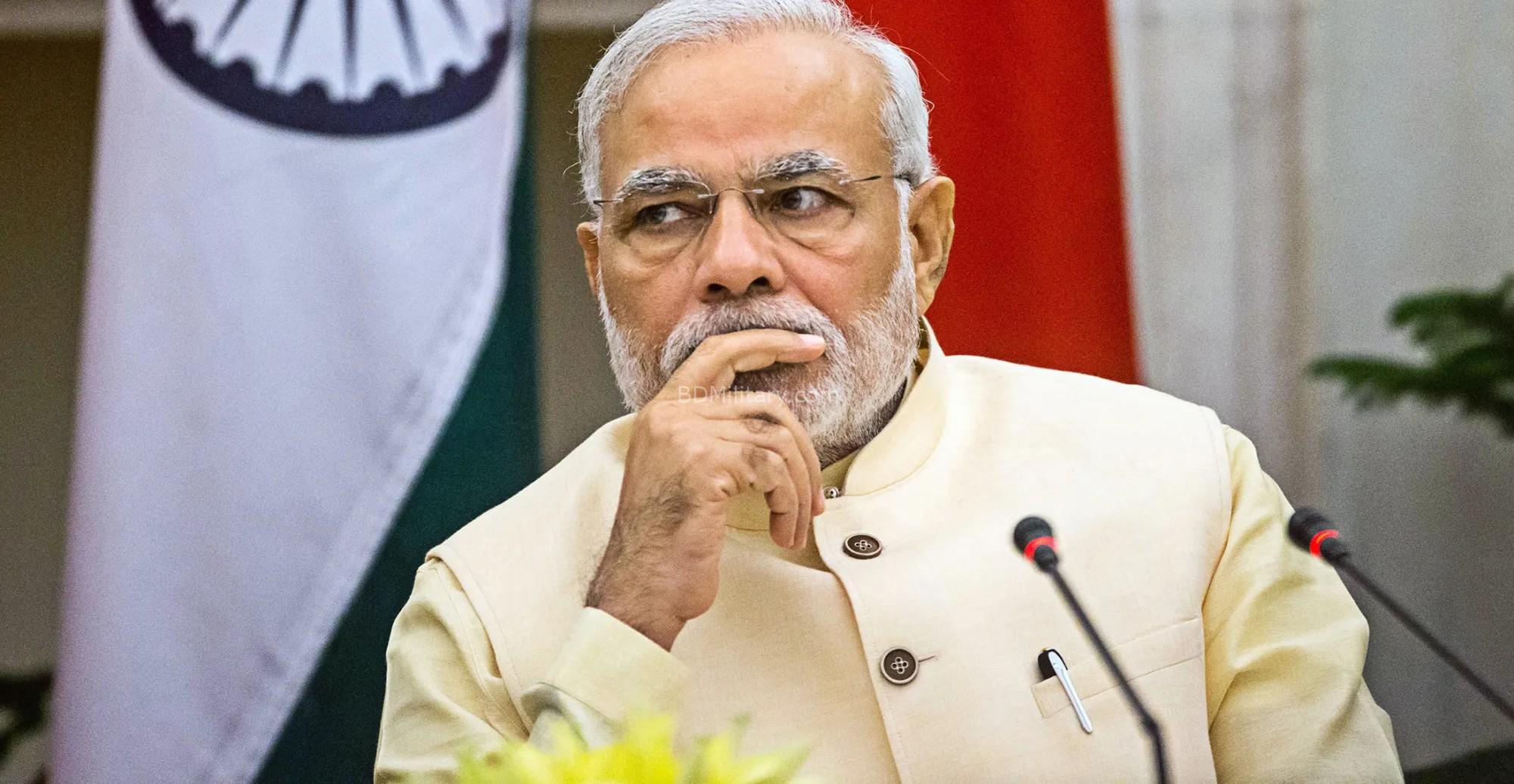
Reading Time: 3 minutesIndia may be emerging as a major economic and geopolitical actor, but the narrative of a rising superpower is facing increasing resistance from its neighbours and foreign publics alike. While Delhi’s officials project ambition and confidence abroad, a growing number of countries, observers, and citizens view the Indian state and Continue Reading
Strategic Dual-Roles of Indian Missions in Bangladesh
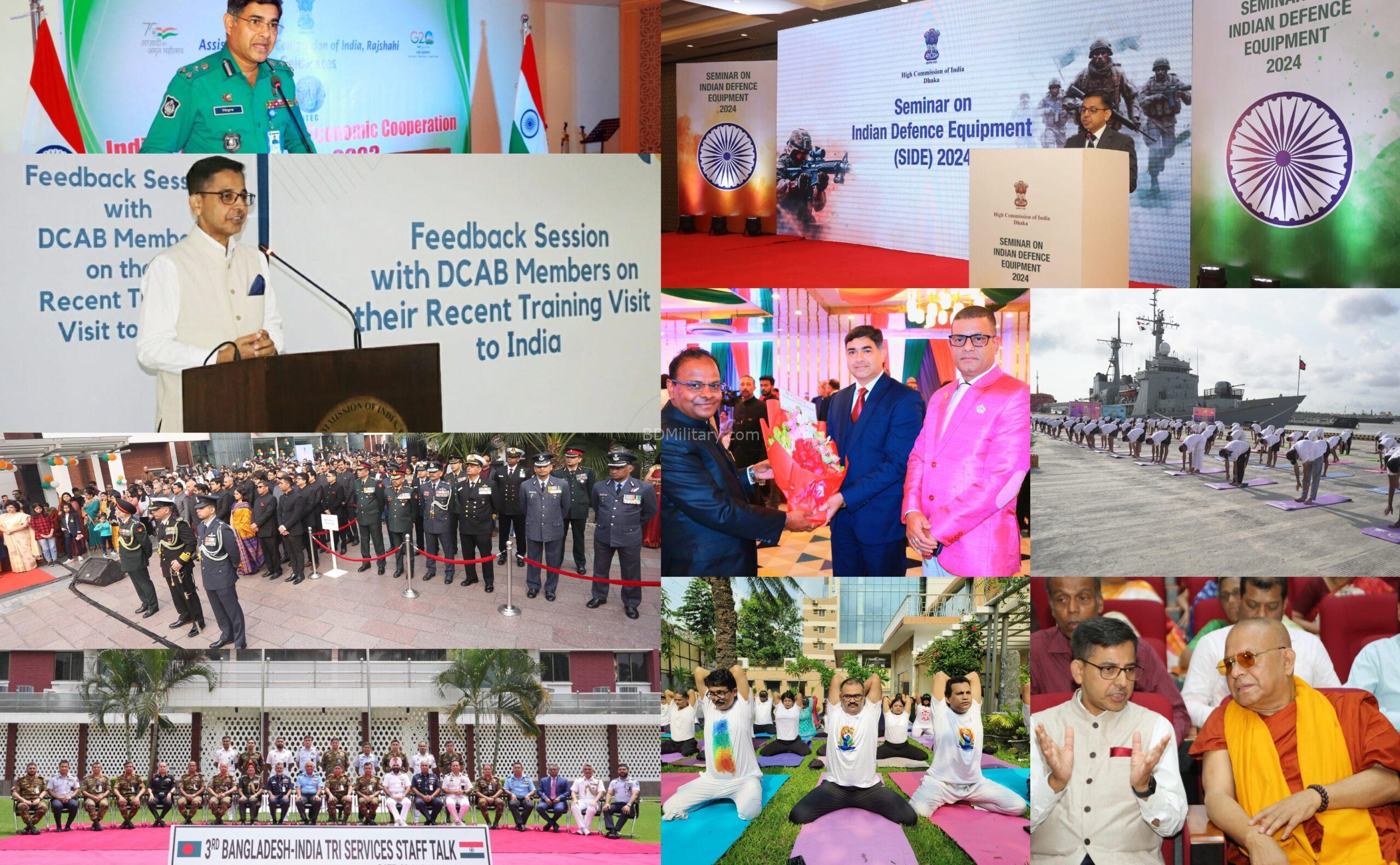
Reading Time: 3 minutesIndia and Bangladesh share a complex and multifaceted relationship rooted in history, geography, and strategic cooperation. Over the years, India has maintained a significant diplomatic presence in Bangladesh, including its High Commission in Dhaka and Deputy High Commissions in Chattogram, Khulna, and Rajshahi. These missions conduct a wide range of Continue Reading
Arakan Army’s Strategic Dilemma: Sustainability Hinges on Bangladeshi Support
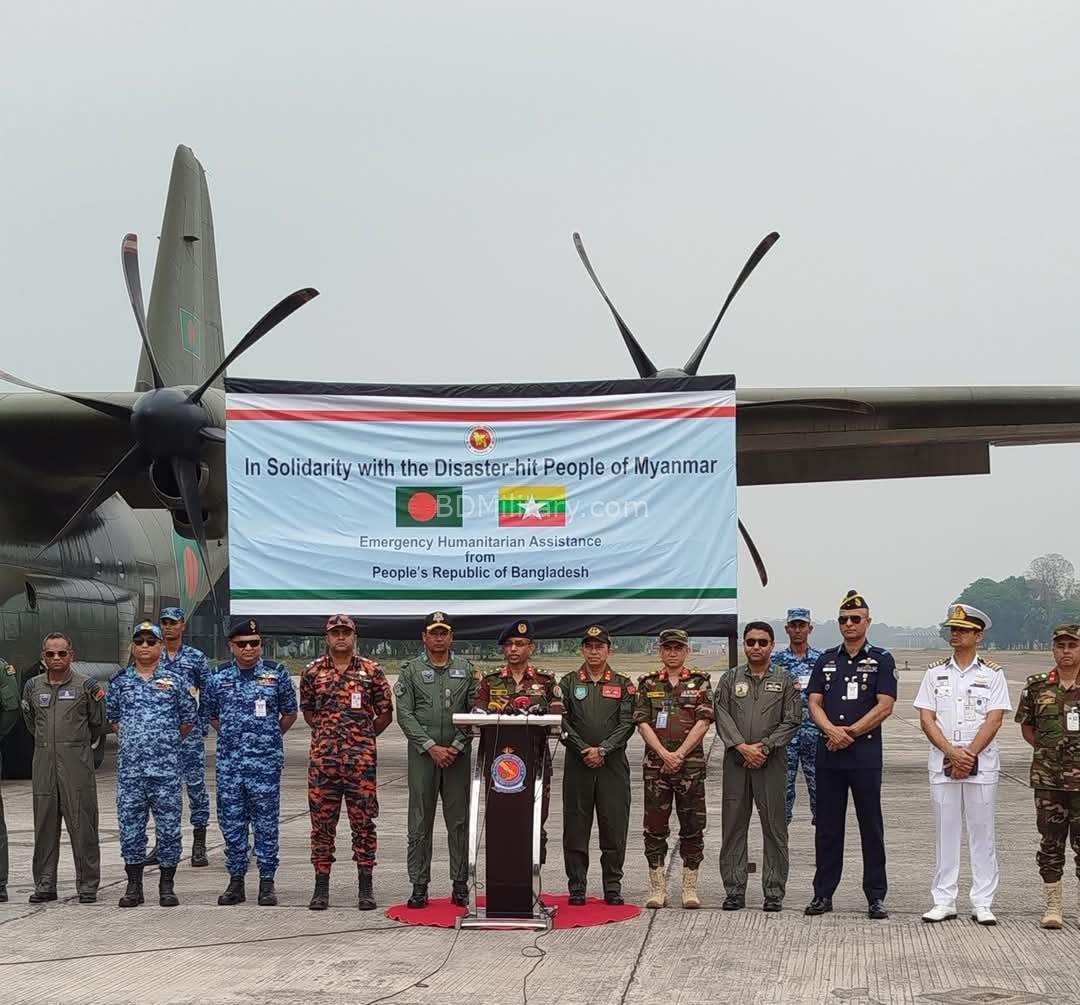
Reading Time: 3 minutesAs the civil conflict in Myanmar intensifies, the Arakan Army (AA) continues to make incremental gains in Rakhine State. However, despite recent territorial advances against the embattled Myanmar military junta, the AA’s aspirations for a de facto independent Arakanese polity face significant structural, geopolitical, and logistical challenges. Chief among these Continue Reading
Emerging Airpower Dynamics in the India-Bangladesh Border Zone

Reading Time: 3 minutesIndia’s overt efforts to develop military facilities in close proximity to the Bangladesh border are unlikely to be interpreted by Dhaka as a benign or friendly gesture. On the contrary, such actions risk being perceived as escalatory, especially in the context of already heightened regional sensitivities. The restoration of India’s Continue Reading