Bangladesh has announced a significant new border security initiative aimed at enhancing national security, curbing transnational crime, and strengthening sovereign control along its frontiers. The government has taken steps to construct barbed-wire fencing along sections of the Bangladesh-Myanmar border, with similar measures for sensitive areas of the Bangladesh-India border currently under consideration.
The announcement was made by Home Minister Salahuddin Ahmed during a parliamentary session on Wednesday, underscoring Dhaka’s growing emphasis on integrated border management amid evolving regional security challenges.
Enhancing Territorial Security
The Bangladesh-Myanmar border remains one of the country’s most strategically sensitive frontiers. Stretching across difficult terrain, including remote hill tracts and densely forested areas, the border has long posed challenges for security forces due to illegal cross-border movement, narcotics trafficking, arms smuggling, and the activities of organised criminal networks.
According to the Home Minister, the proposed fencing project is intended to strengthen border security, prevent illegal infiltration, reduce border-related violence, and disrupt smuggling routes used by traffickers.
The initiative comes at a time when instability in Myanmar’s Rakhine State and wider security developments across the region continue to generate concerns regarding potential spillover effects on Bangladesh’s national security environment.
BGB’s Expanding Border Security Architecture
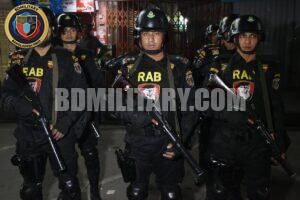
The Border Guard Bangladesh (BGB) has intensified efforts to secure the country’s frontiers through a combination of infrastructure development, technological surveillance, and enhanced operational deployment.
The government has established new Border Outposts (BOPs) and Temporary Outposts (TOBs) in remote and vulnerable sectors. These deployments have reduced the distance between security positions, enabling more frequent patrols and faster response times.
Officials report that the expansion of the border security network has improved situational awareness and strengthened the state’s ability to detect and respond to illicit activities in previously underserved areas.
Smart Surveillance and Technology Integration
A notable aspect of Bangladesh’s evolving border security strategy is the introduction of smart surveillance technologies.
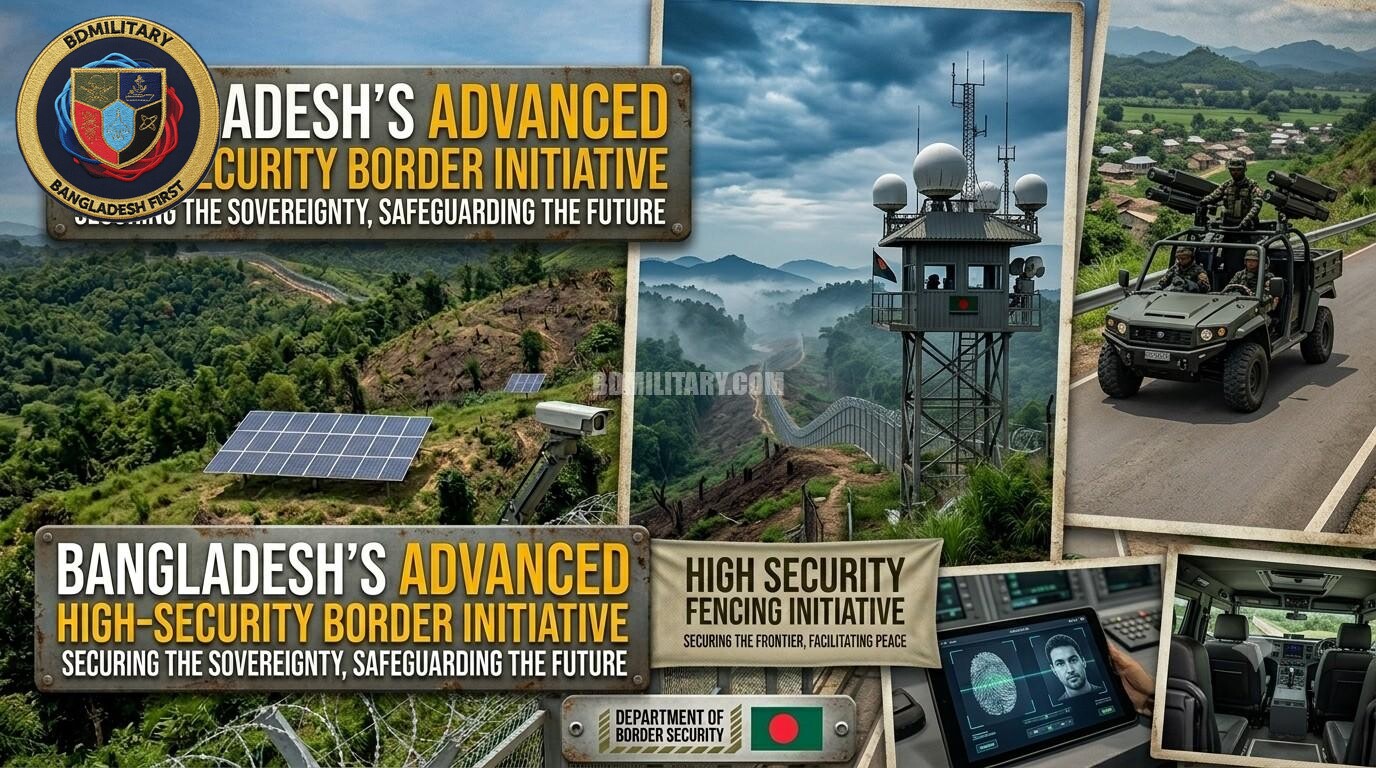
The Home Minister informed parliament that smart border surveillance systems have already been deployed in highly sensitive sectors along the country’s south-western and north-western borders. Such systems are expected to provide real-time monitoring capabilities, enhance intelligence collection, and improve the effectiveness of patrol operations.
Modern border management increasingly relies on integrated surveillance networks combining cameras, sensors, communications systems, and command-and-control infrastructure. Bangladesh’s adoption of these technologies reflects a broader global trend towards technology-driven border security.
Countering Narcotics and Arms Trafficking
The government’s border security strategy remains closely linked to the fight against transnational organised crime.
The Myanmar frontier has historically served as a major route for the trafficking of yaba tablets, crystal methamphetamine (commonly known as ice), illegal firearms, and ammunition. These activities not only threaten public safety but also pose wider national security risks by fuelling criminal enterprises and undermining law enforcement efforts.
The Home Minister reiterated that the BGB maintains a zero-tolerance approach towards narcotics trafficking and illicit cross-border trade. Enhanced fencing, surveillance, and patrol capabilities are expected to further disrupt trafficking networks operating along vulnerable border sectors.
Border Infrastructure Development
In parallel with security enhancements, Bangladesh continues to invest in border infrastructure. Construction of border roads in remote hill regions is progressing rapidly, significantly improving mobility for BGB personnel operating in difficult terrain.
Improved road connectivity enables faster deployment of forces, enhances logistical support, and strengthens the overall operational readiness of border security units. Such infrastructure projects are increasingly viewed as force multipliers in modern border security operations.
Potential Implications for the India Border
While details remain limited, the government’s consideration of fencing along sensitive stretches of the Bangladesh-India border indicates a broader effort to establish a comprehensive border management framework across all major frontiers.
Any future fencing project along the India border would likely focus on areas vulnerable to smuggling, illegal crossings, and other security concerns. Further details regarding the scope, cost, and implementation timeline are expected to emerge as planning progresses.
Strategic Assessment
The proposed Myanmar border fencing initiative represents a significant step in Bangladesh’s efforts to strengthen territorial security and modernise border management capabilities. Combined with expanded BGB deployments, smart surveillance systems, and improved infrastructure, the project forms part of a wider strategy aimed at securing national borders against both conventional and non-traditional threats.
As regional security dynamics continue to evolve, effective border control will remain a critical component of Bangladesh’s national security architecture. The success of these initiatives will depend on sustained investment, technological integration, and continued coordination between security agencies responsible for safeguarding the country’s frontiers.

Khaled Ahmed is a seasoned former intelligence analyst and military expert from the Netherlands, bringing over 15 years of specialised experience in operational intelligence, threat analysis, and strategic defence planning. Having served in high-level, classified roles within Dutch military intelligence, he possesses rare expertise in European security architecture, NATO doctrine, and asymmetric warfare. Khaled’s deep operational insight and international perspective enable him to deliver precision-driven intelligence analysis and forward-looking strategic forecasts. A trusted contributor to high-level risk assessments and security briefings, he offers readers clarity on complex defence and security challenges. Khaled leads the National Security and Fact Analysis sections at BDMilitary. He holds a Master’s degree in International Relations from the University of Groningen, The Netherlands, and is fluent in Dutch, French, and Arabic — combining linguistic dexterity with operational expertise to analyse security issues across cultures and regions.