
This content is restricted to site members. If you are an existing user, please log in. New users may register below.
Rebuilding Bangladesh’s Police Force Post-Monsoon Revolution: Ensuring Stability and Democratic Governance
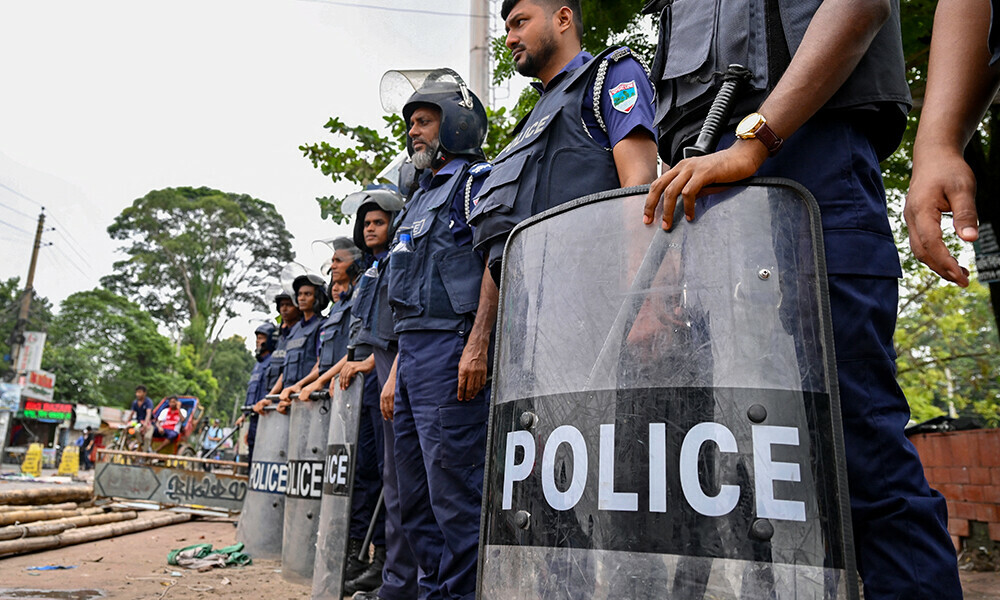
Reading Time: 5 minutes The Monsoon Revolution of 2024 marked a pivotal moment in Bangladesh’s political history. Widespread protests against the long-standing Awami League government culminated in the resignation of Prime Minister Sheikh Hasina, paving the way for an interim government led by Nobel laureate Muhammad Yunus. The revolution revealed significant structural weaknesses within Bangladesh’s civilian institutions, particularly the Bangladesh Police, whose politicisation, operational deficiencies, and public mistrust became glaringly evident during nationwide demonstrations. In the aftermath, the Bangladesh Army temporarily assumed law enforcement responsibilities to maintain public order. While the army’s intervention stabilised the situation, prolonged military involvement in civilian policing risks undermining democratic norms, human rights, and civil-military relations. Restoring an effective, accountable, and independent police force is essential not only to allow the army to return to its barracks but also to ensure free and fair elections scheduled for February 2026. This essay examines the background of