
Unmanned Aerial Systems for the Bangladesh Army: A Comparative Assessment of the Bayraktar TB2, TB3, and Akinci
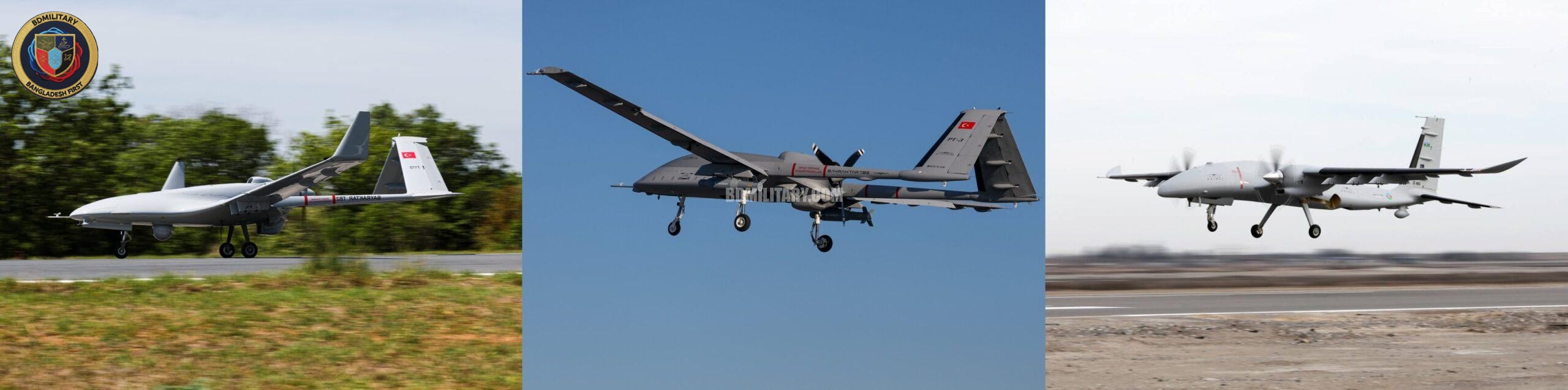
Reading Time: 7 minutesThe Bangladesh Army has placed increasing emphasis on developing robust intelligence, surveillance, and reconnaissance (ISR) capabilities as part of its ongoing modernisation programme. The expansion of unmanned aerial vehicle (UAV) assets has emerged as a central priority under the broader objective of enhancing situational awareness, operational precision, and rapid information Continue Reading
From Hills to the Sea: The T129 Attack Helicopter’s Role in Bangladesh’s Modern Battlefield
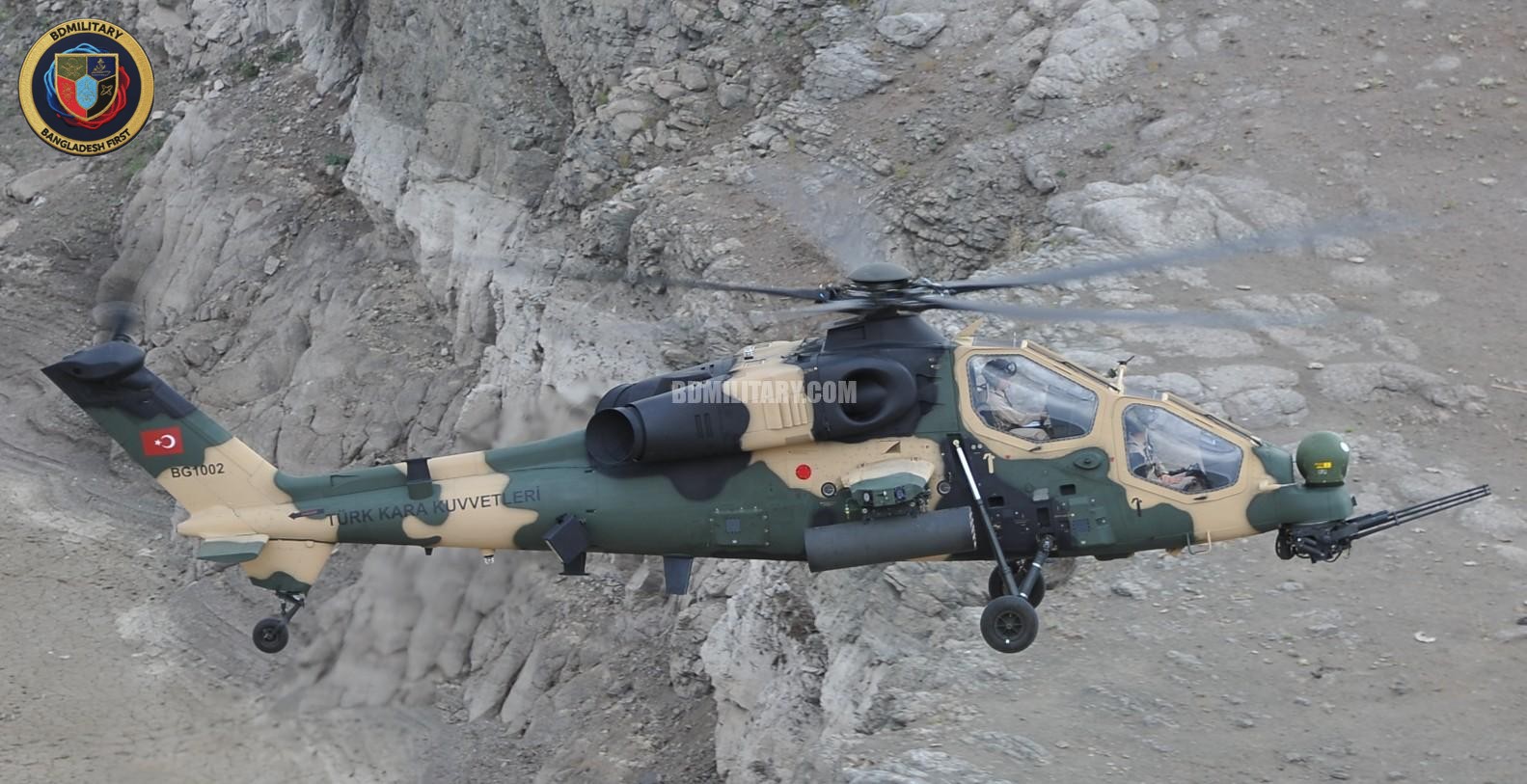
Reading Time: 4 minutesThe acquisition of TAI T129 ATAK attack helicopters would provide the Bangladesh Air Force (BAF) with a versatile and highly capable platform that could significantly strengthen its ground-support, anti-armour, and coastal-defence roles. If integrated thoughtfully into existing doctrine, basing, and sustainment frameworks, the T129 ATAK could become a major force Continue Reading
Pakistan’s Hangor-Class Submarines: Quietly Redefining the Undersea Balance in South Asia
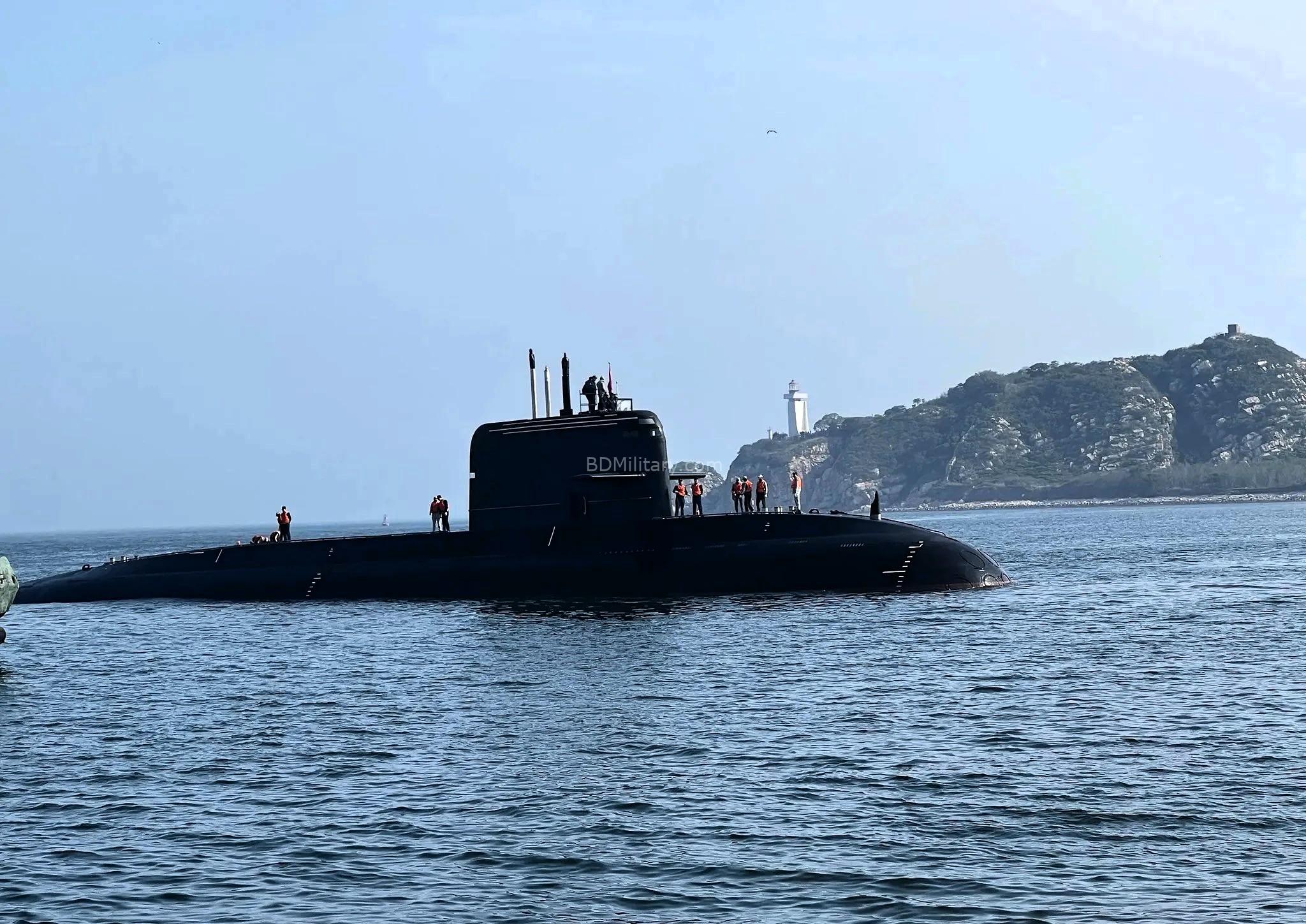
Reading Time: 5 minutesThe undersea domain has long been the quiet but decisive frontier of naval power in South Asia. While surface fleets attract headlines with carriers and frigates, true deterrence at sea lies beneath the waves — in submarines that can surveil, threaten and strike unseen. Over the past decade Pakistan has Continue Reading
Chinese Armour Technology: The FY-2 Family
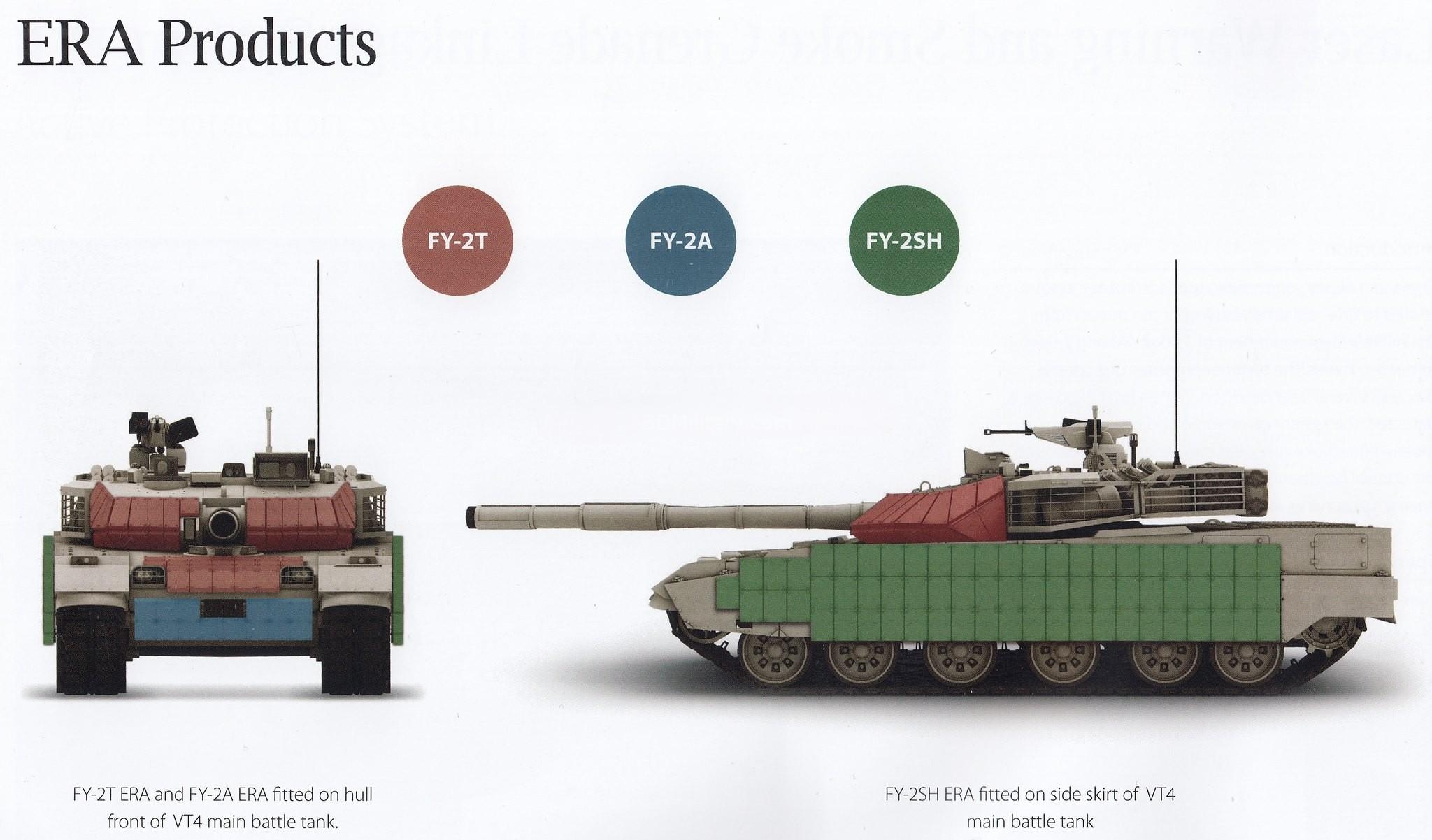
Reading Time: 3 minutesChina’s modern tank protection philosophy has evolved rapidly over the past two decades, reflecting a shift towards modularity, layered defences and field-level maintainability. The FY-2 family of explosive reactive armour (ERA) — comprising the FY-2A, FY-2T and FY-2SH variants — exemplifies this approach. Designed for flexibility and cost-effectiveness, these armour Continue Reading
Bangladesh’s VT-5 vs India’s Zorawar: Riverine Manoeuvre and the New Light Armour Equation
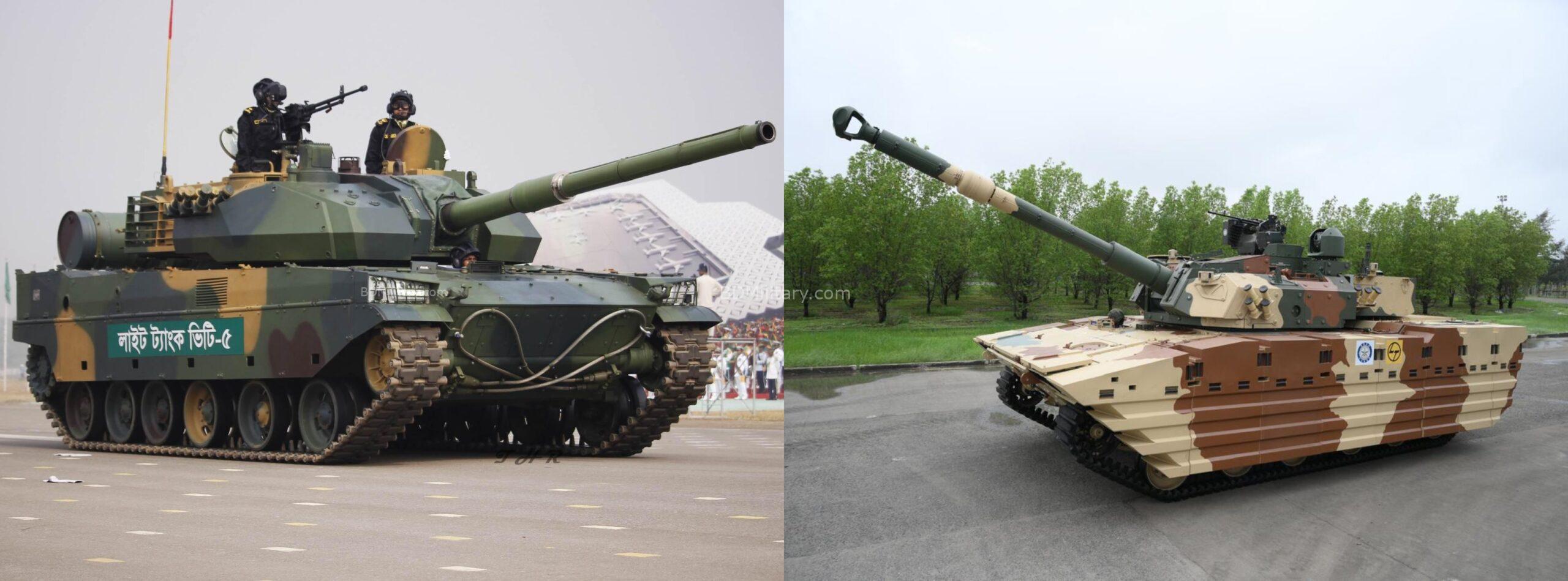
Reading Time: 4 minutesIn the Bengal delta and North-East India–Bangladesh theatre, armoured warfare is shaped less by open plains and more by waterways, causeways and alluvial terrain. Light tanks were once thought to hold the advantage in such conditions — until the Bangladesh Army’s riverine engineering capability changed the equation entirely. With up Continue Reading