This content is restricted to site members. If you are an existing user, please log in. New users may register below.
South Korea’s Nuclear Calculus: Implications for Regional Stability and Lessons for Bangladesh
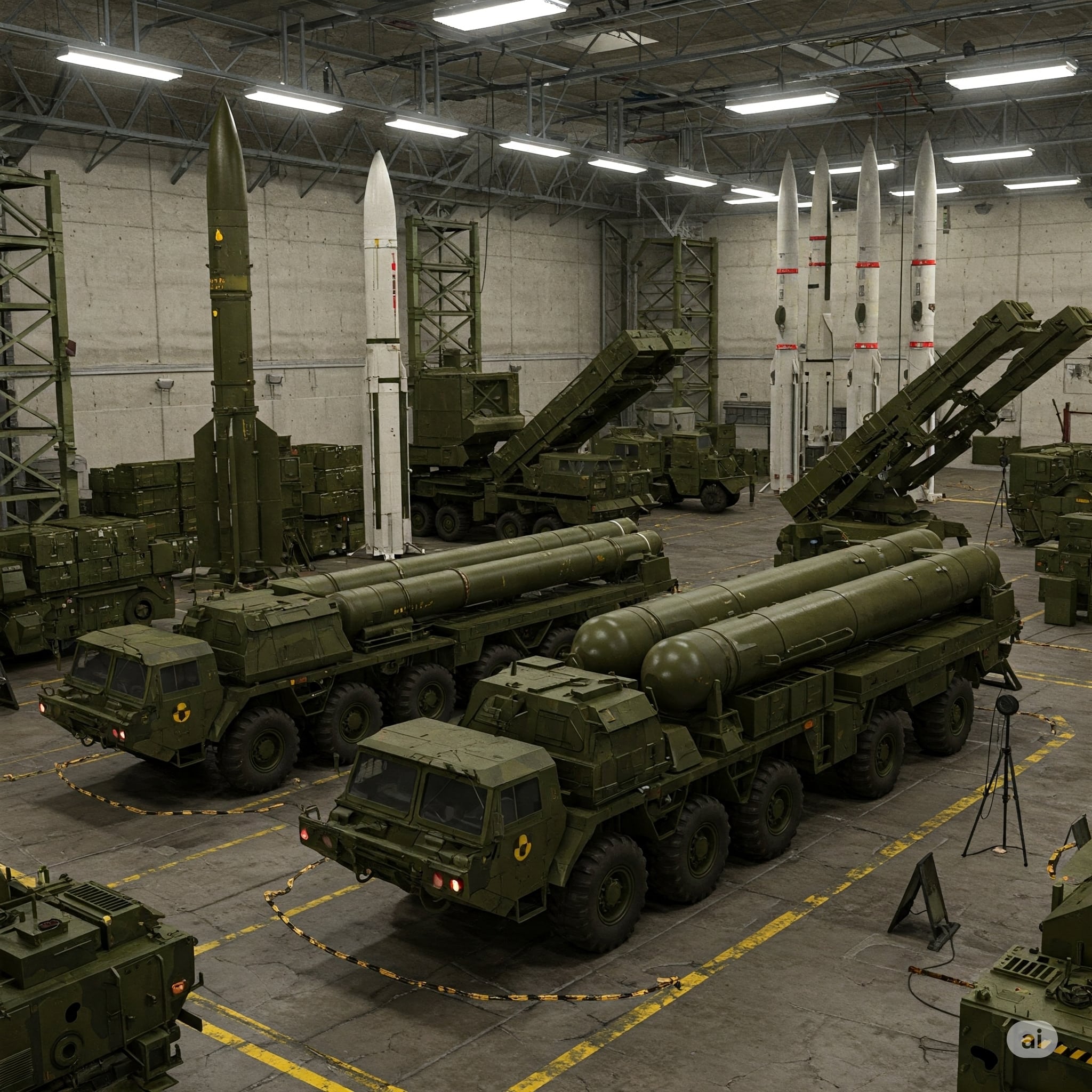
Reading Time: 8 minutes South Korea is increasingly reconsidering its long-standing non-nuclear stance due to the growing unreliability of U.S. extended deterrence, North Korea’s evolving nuclear threat, and shifting regional dynamics. This brief outlines the motivations behind Seoul’s strategic calculations, assesses the feasibility of an indigenous nuclear programme, explores the regional and global repercussions of potential nuclearisation, and identifies key lessons for Bangladesh, a country also navigating a security environment framed by nuclear-armed neighbours. 1. Background and Context For over seventy years, South Korea has benefitted from a strategic alliance with the United States, formalised under the 1953 Mutual Defence Treaty. This alliance included the assurance of U.S. extended nuclear deterrence, effectively sheltering South Korea under Washington’s nuclear umbrella. This arrangement enabled Seoul to focus on economic growth while avoiding the burdens of developing its own nuclear arsenal. However, in recent years, the credibility of this extended deterrence has come