The Government of Bangladesh has proposed the establishment of Armed Police Mountain Battalions in the three hill districts of Bandarban, Rangamati and Khagrachhari, in a move aimed at strengthening law and order and enhancing security in the Chattogram Hill Tracts.
The proposal, initiated by the Public Security Division of the Ministry of Home Affairs, is scheduled to be placed before the Project Evaluation Committee (PEC) of the Planning Commission’s Physical Infrastructure Division on Wednesday, 24 December. The total estimated cost of the project is BDT 6,684.4 million, with financial assistance expected from the Asian Development Bank (ADB).
According to police planning documents, the project is expected to commence in July this year and be completed by June 2028. Projected expenditure has been set at BDT 1,916.4 million for the 2025–26 financial year, BDT 2,381.1 million for 2026–27, and BDT 2,384.4 million for 2027–28.
Aims and Operational Rationale
Officials say the primary objective of the project is to improve the law and order situation in the hill districts, facilitate economic activities by ensuring security, and develop a technologically capable and physically prepared police force suited to mountainous terrain.
The proposal argues that establishing a Deputy Inspector General (DIG)-level Mountain Armed Police Battalion would help reduce tensions between indigenous hill communities and Bengali settlers, while significantly enhancing the operational capacity of the Armed Police Battalion (APBn) in the region.
District police units in the hill districts are currently heavily engaged in routine policing duties, including criminal investigations and administrative responsibilities, limiting their ability to counter organised and technologically advanced criminal groups. The proposed battalions would provide specialised operational support to local police forces. The project also notes that under the Chattogram Hill Tracts Peace Accord, the gradual withdrawal of military forces from the region would necessitate a stronger role for specialised police units in maintaining law and order.
Current APBn Strength and Locations
The Armed Police Battalion (APBn) is a specialised paramilitary unit under Bangladesh Police, formed in 1975 to maintain internal security, suppress armed criminal groups, recover illegal arms and support civil authorities in maintaining public order. The force operates under the command of an Additional Inspector General of Police.
At present, there are 11 Armed Police Battalions deployed across the country, alongside two Special Security and Protection Battalions (SPBn) responsible for the protection of VVIPs and sensitive installations.
The current locations of the APBn units are:
- APBn-1 – Uttara, Dhaka
- APBn-2 – Muktagachha, Mymensingh
- APBn-3 – Khulna
- APBn-4 – Bogura
- APBn-5 – Uttara, Dhaka
- APBn-6 – Barishal
- APBn-7 – Uttara, Dhaka
- APBn-8 – Uttara, Dhaka
- APBn-9 – Chattogram
- APBn-10 – Mohalchhari, Khagrachhari
- APBn-11 (Women’s Battalion) – Uttara, Dhaka
- SPBn-1 – Uttara, Dhaka
- SPBn-2 – Uttara, Dhaka
The two Special Security and Protection Battalions are also based in Dhaka.
Infrastructure and Budget Allocation
Under the proposal, BDT 1,120 million has been allocated for the procurement of 155 operational vehicles. Construction costs include BDT 940 million for non-residential buildings, BDT 3,080 million for residential facilities, and BDT 836.2 million for other buildings and supporting infrastructure.
Officials say the facilities will ensure sustained deployment, mobility and logistical support for police personnel operating in remote and rugged terrain.
Comparisons with Similar Forces in Developed Countries
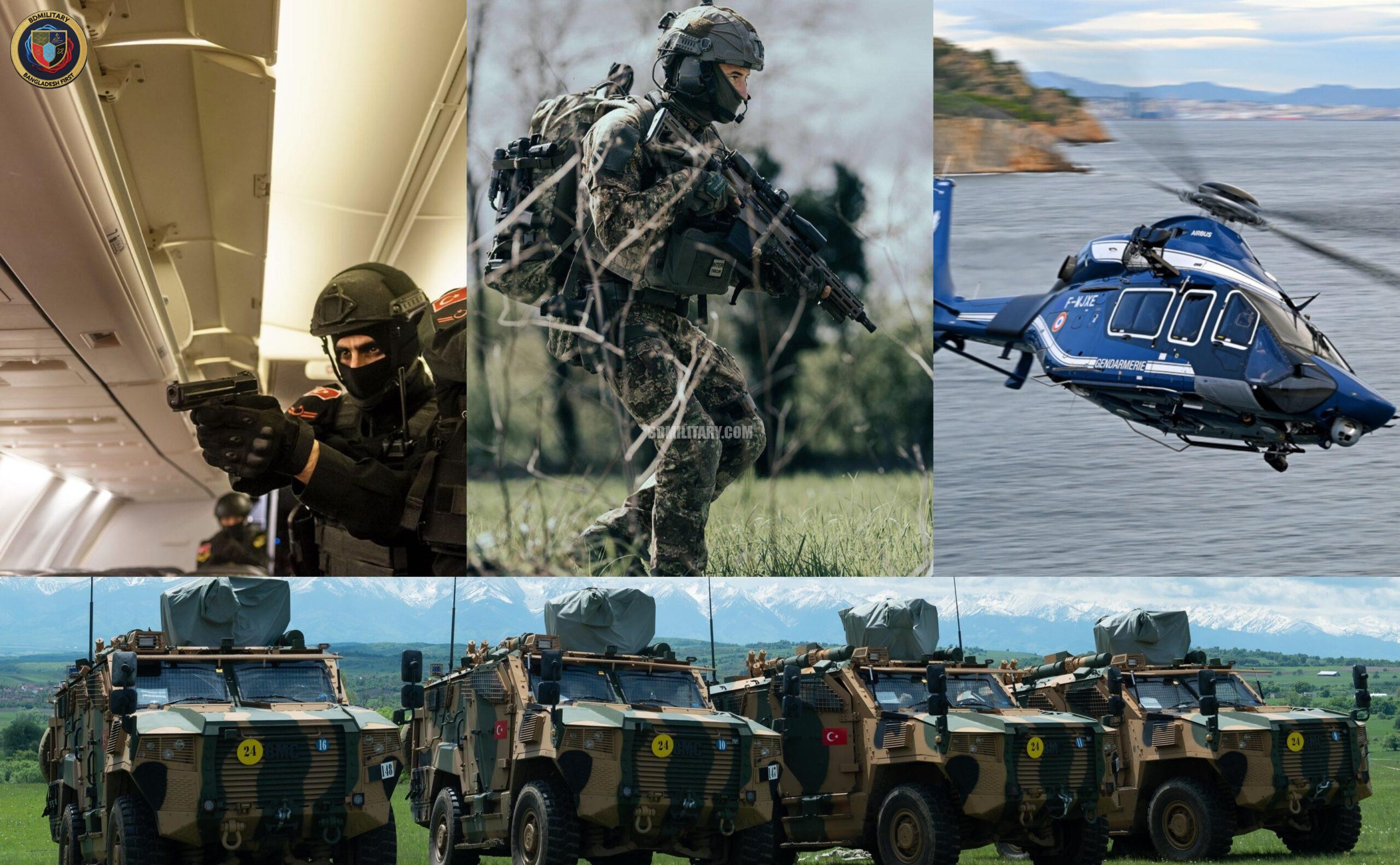
Specialised and paramilitary police units form a key component of internal security structures in many developed countries, though their organisation and mandates vary.
In the United States, most major police departments maintain Special Weapons and Tactics (SWAT) units trained for high-risk operations, including counter-terrorism, hostage rescue and armed suspect apprehension.
In France, the Gendarmerie Nationale operates specialised units that combine military discipline with civilian policing responsibilities, allowing them to respond to internal security threats, particularly in rural and high-risk environments.
In Germany, state police forces maintain Spezialeinsatzkommando (SEK) units that provide tactical support during critical incidents and operate alongside regular police formations.
While differing in structure and scale, these units share functional similarities with Bangladesh’s Armed Police Battalion, particularly in their roles supporting civil policing during high-threat or specialised operations. The proposed Mountain Armed Police Battalions would represent a terrain-specific adaptation of this model for the Chattogram Hill Tracts.
Review and Environmental Considerations
Before final approval, the Planning Commission’s sector division will assess the project’s necessity, feasibility and cost-effectiveness. Views from relevant agencies and stakeholders may be sought. Given the ecological sensitivity of the hill districts, potential environmental impacts of infrastructure development will also be evaluated.
Outlook
If approved, the proposed Armed Police Mountain Battalions would mark a significant strengthening of Bangladesh’s internal security posture in the Chattogram Hill Tracts, enhancing the role of the police in a region traditionally supported by military presence while aiming to maintain stability, security and development.

Khaled Ahmed is a seasoned former intelligence analyst and military expert from the Netherlands, bringing over 15 years of specialised experience in operational intelligence, threat analysis, and strategic defence planning. Having served in high-level, classified roles within Dutch military intelligence, he possesses rare expertise in European security architecture, NATO doctrine, and asymmetric warfare. Khaled’s deep operational insight and international perspective enable him to deliver precision-driven intelligence analysis and forward-looking strategic forecasts. A trusted contributor to high-level risk assessments and security briefings, he offers readers clarity on complex defence and security challenges. Khaled leads the National Security and Fact Analysis sections at BDMilitary. He holds a Master’s degree in International Relations from the University of Groningen, The Netherlands, and is fluent in Dutch, French, and Arabic — combining linguistic dexterity with operational expertise to analyse security issues across cultures and regions.