In a significant signal of renewed strategic engagement between Washington and Dhaka, United States President Donald J. Trump has urged Bangladesh’s newly elected Prime Minister, Tarique Rahman, to finalise long-pending defence cooperation agreements that would open the door to advanced American military technology.
In a letter dated 18 February 2026, President Trump congratulated Prime Minister Rahman on his election victory and emphasised the United States’ intention to deepen bilateral relations through expanded trade, aviation cooperation, and defence engagement. The letter reflects Washington’s broader objective of strengthening its strategic partnership with Bangladesh at a time of growing geopolitical competition across the Indo-Pacific region.
A central component of the proposed engagement involves implementation of the Agreement of Reciprocal Trade (ART), which includes provisions encouraging Bangladesh to procure at least 25 commercial passenger aircraft from Boeing for the national flag carrier, Biman Bangladesh Airlines. Such a purchase would significantly modernise the airline’s fleet while strengthening economic ties between the two nations.
However, the most consequential aspect of President Trump’s message relates to defence cooperation. The US President explicitly called on Bangladesh to complete two foundational defence agreements that Washington has long sought: the Acquisition and Cross-Servicing Agreement (ACSA) and the General Security of Military Information Agreement (GSOMIA). These agreements are considered essential prerequisites for deeper defence cooperation and for enabling access to sensitive US military systems.
The Acquisition and Cross-Servicing Agreement (ACSA) is a logistics support framework that allows partner militaries to exchange supplies, services, fuel, spare parts, transportation, and logistical assistance on a reimbursable basis. It enables more efficient cooperation during joint exercises, training, peacekeeping missions, humanitarian operations, and coalition activities. For Bangladesh, signing ACSA would improve logistical interoperability with US forces and allow smoother participation in joint operations and multinational deployments.
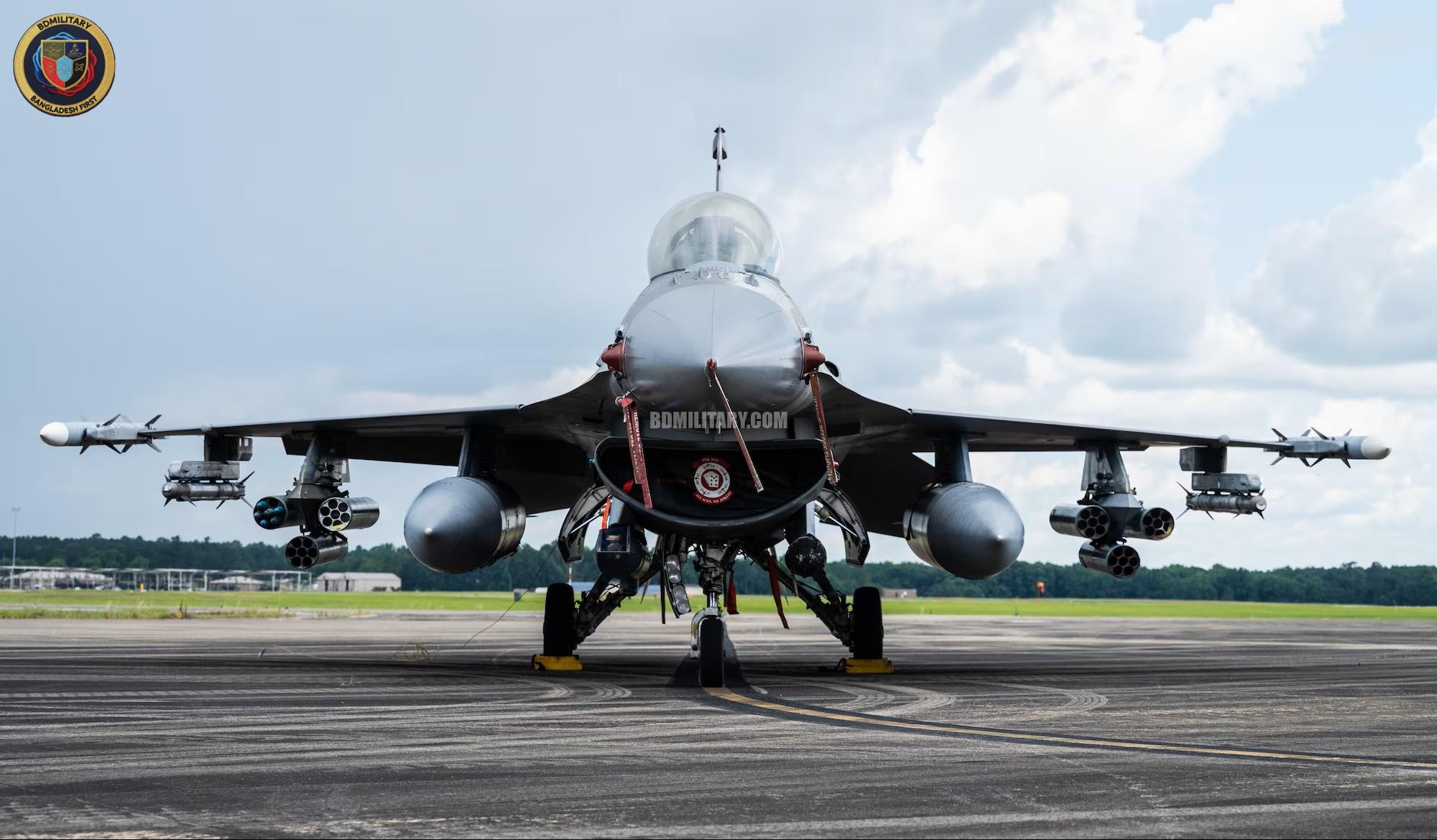
The General Security of Military Information Agreement (GSOMIA) is a legally binding arrangement designed to ensure the protection of classified military information shared between partner nations. It establishes strict standards for handling, storing, and safeguarding sensitive defence data and technologies. Without GSOMIA, the United States cannot share many advanced weapons systems or sensitive operational information. Signing this agreement would therefore enable Bangladesh to access sophisticated American defence technologies, secure communications systems, and high-end military platforms.
In his letter, President Trump made his position clear, stating:
“I hope you will take decisive action to complete the routine defence agreements that would finally give your military access to high-end, American-made equipment — the best in the world!”
For the Bangladesh Armed Forces, the potential signing of ACSA and GSOMIA could mark a major milestone in its ongoing modernisation efforts. Bangladesh has historically maintained a diversified procurement strategy, sourcing military equipment from multiple countries including China, Russia, Europe, and Turkey. Greater access to US defence systems would enhance Bangladesh’s technological capabilities, operational readiness, and interoperability with Western militaries.
Bangladesh’s strategic location along vital Indian Ocean sea lanes further enhances its importance as a defence partner. Closer defence cooperation with Washington could strengthen Bangladesh’s long-term military development under its Forces Goal 2030 modernisation initiative, while also reinforcing broader bilateral ties.
President Trump’s letter signals a clear intent from Washington to elevate defence relations with Dhaka. Whether the Rahman administration proceeds with signing ACSA and GSOMIA will likely shape the future trajectory of Bangladesh’s defence procurement, strategic alignment, and military capabilities for years to come.

Khaled Ahmed is a seasoned former intelligence analyst and military expert from the Netherlands, bringing over 15 years of specialised experience in operational intelligence, threat analysis, and strategic defence planning. Having served in high-level, classified roles within Dutch military intelligence, he possesses rare expertise in European security architecture, NATO doctrine, and asymmetric warfare. Khaled’s deep operational insight and international perspective enable him to deliver precision-driven intelligence analysis and forward-looking strategic forecasts. A trusted contributor to high-level risk assessments and security briefings, he offers readers clarity on complex defence and security challenges. Khaled leads the National Security and Fact Analysis sections at BDMilitary. He holds a Master’s degree in International Relations from the University of Groningen, The Netherlands, and is fluent in Dutch, French, and Arabic — combining linguistic dexterity with operational expertise to analyse security issues across cultures and regions.